
Welcome to Urban TRT Gibraltar
Expert Hormonal Healthcare for Men
At Urban TRT Gibraltar, we provide safe, effective testosterone replacement therapy under the care of fully qualified Spanish and British doctors. Working with trusted local clinics in Gibraltar, we offer quick blood testing, accurate results, and expert medical guidance, ensuring you receive the right treatment without delay.
Every man’s health needs are unique, which is why our service is personalised rather than standardised. From your first test through to ongoing care, we deliver professional, compassionate support at every stage of your journey. Our aim is to help you regain energy, confidence and long-term wellbeing.

Take the First Step Towards Better Hormonal Health
Urban TRT makes it straightforward to check, understand and treat low testosterone. Our services are available whether you’re based in Gibraltar or prefer the convenience of online care. From your first test through to your treatment plan, our expert team is here to guide and support you at every stage.
Testosterone Replacement Therapy (TRT) is a safe and effective form of hormone replacement therapy designed for men and women with low testosterone levels. Our fully qualified doctors prescribe modern, clinically approved testosterone treatments to help bring your hormone levels back into a healthy, balanced range.
With an affordable, tailored approach, we ensure that every plan is adapted to your personal health needs. Simple, accessible and discreet - our service makes it easier than ever to take control of your hormonal wellbeing.

Life Changing Treatments
Could Low Testosterone Be Affecting You?
Do you find yourself wishing you could have more energy, reduced body fat, a stronger libido or renewed confidence? These are some of the most common symptoms of low testosterone in men.
Studies show that up to one in four European men over the age of 40 experience low testosterone levels, and men in Gibraltar are no exception. If you recognise these symptoms, it may be time to take a closer look at your hormonal health.
At Urban TRT, we make it simple to find answers and get the right support. Start with our quick low testosterone symptom quiz, or book an easy blood test at our trusted local clinic. With expert guidance from UK doctors, you’ll be on the path towards feeling like your best self again.

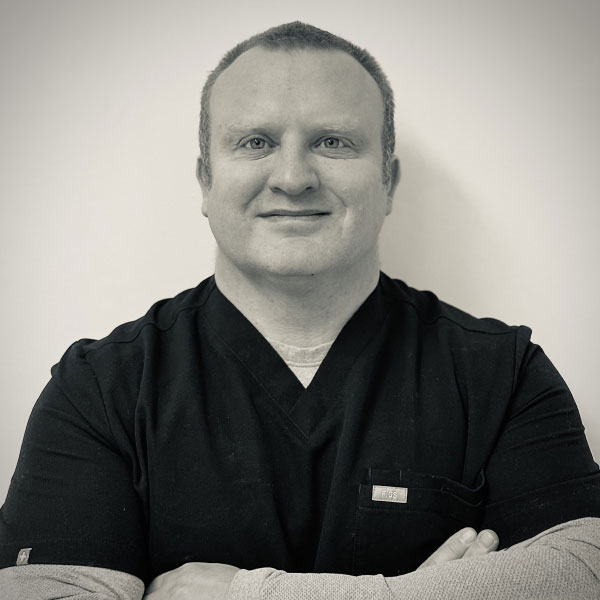


Meet our Dedicated Medical Team
Our medical team are here to help you every step of the way during your treatments.
Lorem ipsum dolor sit amet, consectetur adipiscing elit. Phasellus sit amet arcu eu massa molestie maximus et ac magna. Quisque eget maximus ex, nec sagittis leo. Nunc dignissim vulputate lacinia. In pretium mollis massa in venenatis. In consequat risus vel maximus sollicitudin.
Frequently Asked Questions
What is a Full Male Hormone Blood Test?
«This comprehensive TRT blood test covers a broad spectrum of markers linked to testosterone production and overall health, including:
- Total and Free Testosterone
- LH (Luteinizing Hormone)
- FSH (Follicle Stimulating Hormone)
- Albumin
- SHBG (Sex Hormone Binding Globulin)
- Oestradiol & Prolactin
- Lipid Profile (Cholesterol and Triglycerides)
- Full Blood Count (FBC) & Haematocrit (HCT)
- PSA (Prostate Specific Antigen)
- Thyroid Function (TSH & T4, FT3)
- Liver & Kidney Function (LFT & U&Es)
- Cortisol
- Vitamin D, B12, Folate (B9)
- HbA1c
- Ferritin (Iron Storage)
Together, these results provide valuable insights into hormone balance, organ function, and nutritional health. They help confirm whether TRT is appropriate and highlight any underlying issues that should be addressed first.
What do you test for in the initial blood test?
«Your initial blood test will assess several key bio-markers:
- Total Testosterone
- Free Testosterone
- Albumin
- SHBG (Sex Hormone Binding Globulin)
These results not only confirm how much testosterone is present, but also show how effectively your body is using it. This can help explain many common symptoms linked to hormonal imbalance.
What are the signs of low testosterone in men?
«Low testosterone can present in many ways, but common symptoms include:
- Low energy or fatigue
- Reduced muscle strength and mass
- Increased body fat
- Low libido or erectile difficulties
- Mood changes such as irritability, depression, or anxiety
- Difficulty concentrating or poor memory
- Sleep disturbances
If you experience several of these, it may be worth having a blood test.
How can I find out if I have low testosterone levels?
«You can start by completing our quick and confidential ADAM questionnaire online, which helps to identify common symptoms of testosterone deficiency. If your results suggest you may have low testosterone, the next step is to purchase a blood test online. This will provide accurate insights into your hormone levels and overall health.
What treatments do you offer men with low testosterone?
«Urban TRT Gibraltar's doctors have partnered with a leading Gibraltarian laboratory and phlebotomy clinic which means we can offer you a complete service from diagnosis to treatment. We offer a reliable blood testing service and expert treatments including:
1. Injectable Testosterone: Typically administered 1–2 times per week, either intramuscularly or subcutaneously depending on the formulation.
2. Topical Testosterone (Gel or Cream): A daily application to skin (arms, shoulders, thighs, or abdomen). Easy to use at home and allows dosage adjustments.
3. Oral Testosterone (Tablets): Available upon request. Simplest to administer but generally the most expensive option. Must be taken twice daily with food.
How often do I need blood tests during TRT?
«Monitoring is essential for safe and effective TRT. Typically, you’ll have blood tests before starting treatment, then again after 6–8 weeks to assess progress and make any adjustments. Once your levels are stable, ongoing monitoring every 3–6 months is recommended.
What is Testosterone Replacement Therapy (TRT)?
«TRT is a medical treatment designed to restore testosterone levels back to a healthy range. This is usually achieved through gels, injections, or other prescribed methods. At Urban TRT Gibraltar, treatment plans are tailored to your individual needs, based on your blood test results and symptoms.
Why is testosterone important for men’s health?
«Testosterone is a vital hormone that influences muscle mass, bone strength, fat distribution, libido, mood, and energy levels. When testosterone levels drop below optimal ranges, it can affect not just physical performance but also emotional wellbeing and long-term health.